Stay up to date with the latest in the energy world. We're excited to share our knowledge and expertise with you.
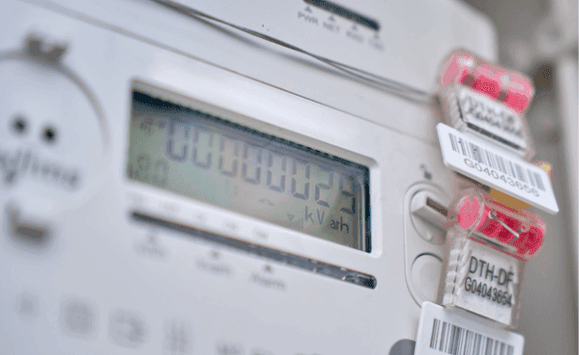
In 2026, Vehicle-to-Grid regulation in Germany has made significant progress.
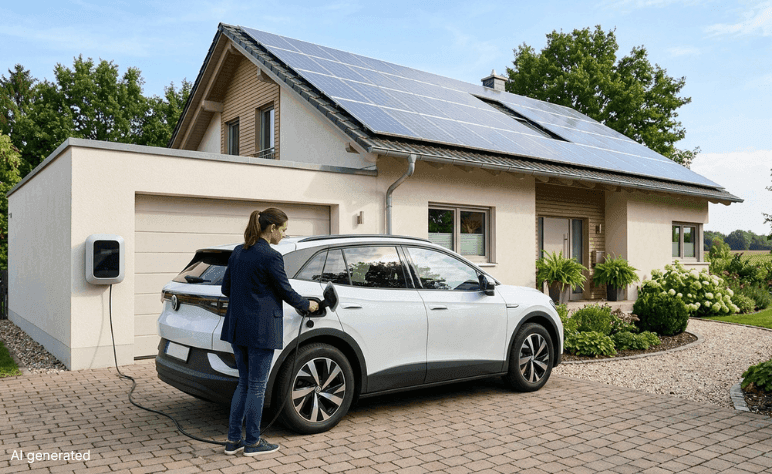
With the first Vehicle-to-Grid offers becoming available in Germany and Vehicle-to-Home being of interest to many people, we take an objective look at bidirectional charging: Does it actually pay off for users?
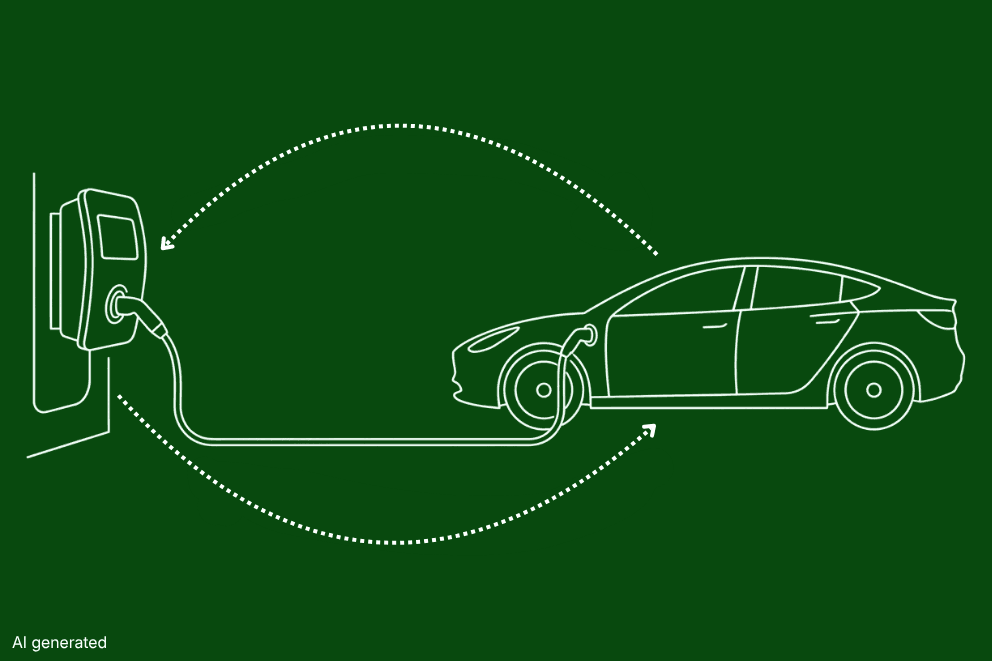
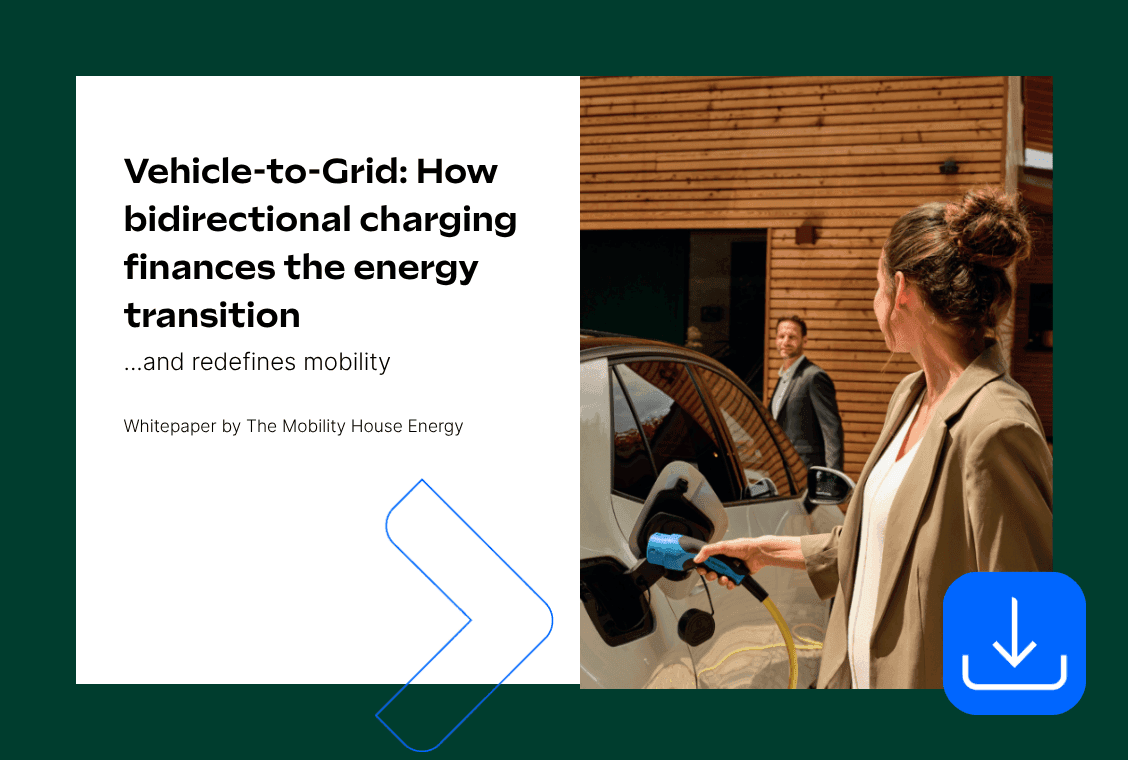
With bidirectional charging, your EV transforms from a passive energy consumer into an active storage unit that lowers costs and supports the clean energy transition. Learn what's behind V2G, V2H, and other V2X technologies – and the benefits they deliver.
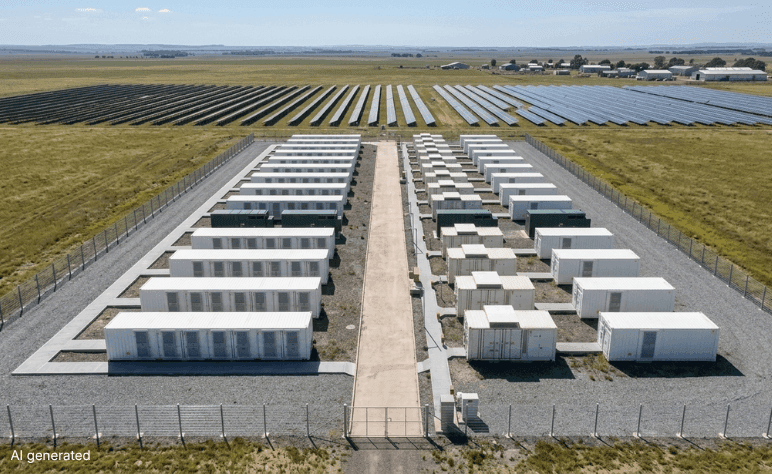
Bulgaria is booming as a BESS market. Learn what's driving growth, where the revenue lies, and which challenges investors should watch for.

We believe in an energy and mobility future with zero emissions at zero cost. Want to learn more? Dive into our technologies.